Natural teeth whitening methods — from oil pulling to baking soda scrubs — are everywhere online. But before you reach for the coconut oil or activated charcoal, it’s worth understanding the science behind tooth discolouration, which home remedies hold up to scrutiny, and which ones risk doing more harm than good. This guide gives you an honest, evidence-informed overview so you can make smarter choices for your smile.
What Actually Causes Tooth Discolouration?
Not all tooth staining is the same. Dentists classify discolouration into two distinct categories, and understanding the difference matters because each type responds very differently to treatment.
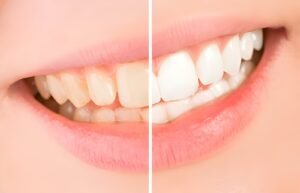
Extrinsic staining occurs on the outer surface of the enamel. It’s caused by pigmented compounds from food and drinks — coffee, tea, red wine, and berries are common culprits — as well as tobacco use. Plaque build-up also absorbs colour and contributes to a dull or yellowed appearance. The good news is that extrinsic stains are generally more responsive to whitening interventions, both professional and home-based, because they sit on the tooth surface rather than within the tooth structure itself.
Intrinsic staining is a different matter entirely. This occurs within the dentine — the layer beneath the enamel — and can result from a variety of causes: certain antibiotics (particularly tetracycline) taken during childhood tooth development, excessive fluoride intake during enamel formation (a condition called fluorosis), trauma to the tooth, ageing (as enamel thins and the naturally yellow dentine beneath shows through), or certain medical conditions. Intrinsic staining cannot be addressed by surface-level home remedies. It typically requires professional whitening treatments, veneers, or bonding.
This distinction is important: most natural whitening methods — however well-intentioned — can only target extrinsic stains, and even then, their effectiveness varies considerably.
What the Evidence Actually Says: Methods That Work vs. Myths
“Many natural whitening methods are either too weak to work or abrasive enough to damage enamel. People come in having used charcoal toothpaste for months expecting a transformation, and instead we’re seeing increased sensitivity and enamel wear. Here’s what I tell my patients: understand the science first, then choose your method accordingly.” — Ahmed, Dental Professional
The table below summarises the most popular natural whitening methods alongside an honest assessment of the evidence:
| Method | How It’s Supposed to Work | Evidence Rating | Key Concerns |
|---|---|---|---|
| Baking Soda | Mild abrasive that scrubs surface stains off enamel | ⭐⭐⭐ Moderate | Overuse can erode enamel; limit to 2–3 times per week |
| Hydrogen Peroxide (diluted) | Mild bleaching agent that oxidises stain molecules | ⭐⭐⭐ Moderate | Safe in low concentrations; overuse causes sensitivity and gum irritation |
| Oil Pulling | Claims to “pull” bacteria and stains from teeth | ⭐ Weak | No robust clinical evidence for whitening; may support general oral hygiene |
| Activated Charcoal | Highly absorbent, claims to bind and remove stains | ⭐ Weak | No reliable evidence for whitening; highly abrasive — associated with enamel damage |
| Whitening Toothpaste | Combination of mild abrasives and sometimes peroxide | ⭐⭐ Low–Moderate | Works on surface stains only; results are minor and gradual |
| Malic Acid (strawberries) | Naturally occurring acid may dissolve some staining | ⭐ Weak | Acidic — softens enamel if used frequently; rinse thoroughly afterwards |
| Pineapple / Bromelain | A combination of mild abrasives and sometimes peroxide | ⭐ Weak | Insufficient clinical evidence; safe to eat, but don’t apply directly to teeth |
The bottom line: Baking soda and diluted hydrogen peroxide have the most credible evidence among home methods, but both carry risks if misused. Activated charcoal, despite its popularity, lacks supporting evidence and may actively harm enamel. Oil pulling can be a useful addition to an oral hygiene routine, but expecting it to noticeably whiten teeth is likely wishful thinking.
Common Natural Whitening Methods: How to Use Them Safely
If you want to try natural methods alongside a solid oral hygiene routine, here’s how to approach the ones with the most reasonable evidence:
Oil Pulling Swish one tablespoon of coconut oil around your mouth for 15–20 minutes, then spit it out into a bin (not the sink — it can solidify and block pipes). Rinse with water and brush as normal. This is best viewed as a supplementary hygiene practice rather than a whitening treatment.
Baking Soda Mix a small amount with water to form a paste and brush gently for two minutes, no more than two to three times per week. Because baking soda is mildly abrasive, daily use increases the risk of enamel erosion over time. It’s effective at lifting surface stains but won’t change the underlying colour of your teeth.
Diluted Hydrogen Peroxide Mix a 3% hydrogen peroxide solution with an equal part of water, swish for one minute, and spit out — do not swallow. Use occasionally rather than daily. Concentrations higher than 3% are not recommended for home use and can cause significant sensitivity or soft tissue irritation.
Dietary Choices: Crunchy raw vegetables and fruits — apples, celery, carrots — have a gentle mechanical cleaning effect on tooth surfaces. While they won’t bleach teeth, they help dislodge food debris and stimulate saliva production, which naturally neutralises acids and protects enamel.
Why Oral Hygiene Is the Real Foundation
No whitening method — natural or professional — delivers lasting results without consistent oral hygiene underneath it. Plaque build-up is one of the primary drivers of surface discolouration, and it accumulates quickly without regular maintenance.
Brushing twice daily with a fluoride toothpaste, flossing at least once a day, and attending professional cleaning appointments every six months removes tartar and surface staining that home methods simply cannot reach. A scale and polish from a dental hygienist is often more effective at improving overall tooth brightness than weeks of home whitening attempts.
How Diet Shapes Your Smile Over Time
What you eat and drink has a cumulative effect on tooth colour. Highly pigmented beverages — coffee, tea, red wine, and dark fruit juices — are among the most common contributors to extrinsic staining. Tobacco, whether smoked or chewed, causes some of the most stubborn and persistent surface staining.
A few practical habits make a meaningful difference: drinking staining beverages through a straw reduces direct contact with tooth surfaces; rinsing your mouth with water after consuming pigmented foods or drinks helps dilute remaining compounds before they settle; and waiting at least 30 minutes after eating acidic foods before brushing prevents you from scrubbing softened enamel.
Conversely, a diet rich in calcium (dairy, leafy greens) supports strong enamel, while crunchy vegetables contribute to mechanical cleaning at meals.
When Natural Methods Aren’t Enough
If you’ve maintained good oral hygiene, made sensible dietary choices, and still aren’t happy with your tooth colour — particularly if discolouration is intrinsic rather than surface-level — professional whitening is the appropriate next step.
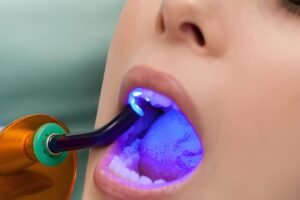
Professional treatments use carefully controlled concentrations of hydrogen peroxide or carbamide peroxide, applied under clinical supervision to protect your gums and surrounding tissues. They’re significantly more effective than home remedies and can be tailored to your specific oral health needs.
Considering Professional Teeth Whitening? Contact Old Town Dental Care
If natural whitening methods haven’t delivered the results you’re looking for, Old Town Dental Care offers professional teeth whitening in Aberdeen tailored to your individual oral health needs. Their dental team provides safe and effective whitening options designed to improve smile appearance while protecting enamel and gum health. Booking a consultation is the best way to understand which treatment options are appropriate for you and how to maintain results over the long term.
Frequently Asked Questions
Does oil pulling whiten teeth?
The evidence is limited. Oil pulling may support general oral hygiene by reducing bacteria, but clinical studies do not reliably support it as a whitening treatment. It’s a safe habit, but shouldn’t be your primary whitening strategy.
Is baking soda safe for whitening?
Used correctly — a few times per week, with gentle pressure — baking soda can remove surface stains effectively. Daily use over extended periods risks enamel erosion, so moderation is key.
Can hydrogen peroxide whiten teeth at home?
Yes, in diluted form (equal parts 3% peroxide and water), it can provide mild bleaching of surface stains. Overuse or higher concentrations risk tooth sensitivity and gum irritation. Never use undiluted peroxide.
How long does natural teeth whitening take?
Results from home methods are gradual — typically several weeks of consistent use before any noticeable change. Results are also more modest than professional treatments.
Is activated charcoal effective for whitening?
Current evidence does not support activated charcoal as an effective whitening agent. Its high abrasiveness is a genuine concern, and several dental associations have warned against regular use due to the risk of enamel damage.
Are natural methods safe for everyone?
Most are safe when used as directed and in moderation. Individuals with sensitive teeth, existing enamel erosion, or active dental work (crowns, veneers, bonding) should consult a dentist before trying any whitening method, natural or otherwise.
Last Updated
Last updated: April 2026