A tooth extraction on the NHS is usually carried out under Band 2 treatment, which has a fixed cost of £65.20. This single fee covers all necessary extractions within one treatment course, along with associated care such as assessment, anaesthesia, and aftercare advice. Whether you need one tooth removed or several in the same course of treatment, the charge remains the same.
This system is designed to keep NHS dental care predictable and affordable, so patients are not charged separately for each stage of treatment.
Understanding how NHS extraction costs work, when extractions are needed, and what alternatives exist helps patients make confident and informed decisions about their oral health.
What Is a Tooth Extraction?
A tooth extraction is the removal of a tooth from its socket in the jawbone. It is only recommended when a tooth cannot be repaired or saved through other treatments.
At clinics offering Tooth Extraction Treatment in Aberdeen, dentists usually recommend extraction when the tooth is:
- Severely decayed beyond repair
- Broken below the gum line
- Causing repeated infection or abscess
- Loosened due to advanced gum disease
- Impacted (common with wisdom teeth)
The main goal is to protect surrounding teeth and prevent infection from spreading.
NHS Band 2 Charge Explained (£65.20)
Under the NHS dental system, treatments are grouped into fixed price bands:
- Band 1 (£26.80): Examination, diagnosis, X-rays, and advice
- Band 2 (£65.20): Fillings, root canal treatment, and all extractions in one course of treatment
- Band 3 (£319.10): Complex treatments like crowns, dentures, and bridges
What Band 2 means for extractions
If you need a tooth removed under NHS care, you will pay one Band 2 fee of £65.20, regardless of:
- Number of teeth removed in that treatment plan
- Whether the extraction is simple or more involved (unless surgery moves it to Band 3)
- Follow-up advice or standard aftercare
This makes NHS treatment costs predictable and transparent.
Simple vs Surgical Extraction: What’s the Difference?
Not all extractions are the same. The cost and complexity can vary depending on the tooth’s condition.
Simple extraction
A simple extraction is performed when the tooth is visible above the gum line.
- Done using forceps and local anaesthetic
- Usually quick and straightforward
- Often completed in a single appointment
- Most common type under NHS Band 2
Surgical extraction
A surgical extraction is more complex and may be needed when:
- The tooth is broken at the gum level
- The tooth is impacted (stuck under the gum)
- Wisdom teeth are involved
- Access is limited
This may involve a small incision in the gum or removal of bone around the tooth.
Does the cost change?
- Simple extraction: Usually covered under Band 2 (£65.20)
- Surgical extraction: May still fall under Band 2 or move to Band 3 (£319.10) depending on complexity and NHS rules
Your dentist will confirm the cost before treatment begins.
Why choose private treatment?
Patients may prefer private care for:
- Shorter waiting times
- More appointment flexibility
- Advanced sedation options
- Extended consultation time
- Cosmetic planning alongside extraction
While NHS care is cost-effective, private treatment offers more flexibility and speed.
What to Expect: Step-by-Step Tooth Extraction Process
Knowing what happens during treatment can reduce anxiety and help you prepare.
Before your appointment
- Dental examination and X-rays
- Discussion of treatment options (save vs remove)
- Explanation of NHS or private costs
- Medical history review
- Consent for treatment
Your dentist will ensure extraction is truly necessary before proceeding.
During the procedure
- Local anaesthetic is given
The area is fully numbed, so you do not feel pain. - The tooth is loosened
The dentist gently loosens the tooth using dental instruments. - Tooth removal
The tooth is carefully removed from the socket. - Cleaning the area
The site is cleaned to reduce infection risk. - Gauze placed
You will bite on gauze to help stop bleeding.
Most simple extractions take 20–40 minutes.
Aftercare and recovery
Recovery is usually straightforward if aftercare instructions are followed.
You may experience:
- Mild swelling
- Slight discomfort
- Light bleeding for a few hours
To support healing:
- Avoid smoking for at least 48 hours
- Eat soft foods for 1–2 days
- Avoid rinsing forcefully on the first day
- Keep the area clean, gently
- Take prescribed or recommended pain relief
Most patients recover within 5–7 days, although full gum healing can take a few weeks.
When Is Extraction the Right Choice vs Root Canal?
Dentists always try to save natural teeth first. Extraction is only recommended when saving the tooth is not possible or not effective in the long term.
Root canal is preferred when:
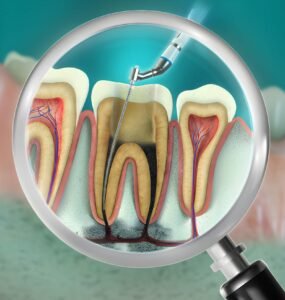
- The tooth is infected but structurally strong
- Decay has reached the nerve, but the tooth can be restored
- There is no severe fracture below the gum
Extraction is recommended when:
- The tooth is too damaged to rebuild
- Severe infection has destroyed the tooth structure
- Gum disease has made the tooth loose
- Repeated root canal treatment has failed
- The wisdom tooth is impacted or problematic
Clinical decision guide
Dentists consider:
- Level of decay
- Bone support around the tooth
- Risk of reinfection
- Long-term survival of the tooth
- Cost-effectiveness of treatment
In many cases, saving the tooth is ideal—but extraction may be the safest long-term solution if damage is extensive.
Why NHS Dental Charges Are Structured This Way
The NHS uses fixed bands to:
- Keep treatment affordable
- Prevent unexpected billing
- Ensure equal access to care
- Cover full treatment courses under one fee
This means patients always know what they will pay before treatment begins.
Book Your NHS Tooth Extraction Consultation
In most cases, tooth extraction is a simple and safe procedure when performed at the right time. Delaying treatment can lead to infection, pain, and more complex dental problems.
Clinics such as Old Town Dental Care provide both NHS assessments and treatment planning to help patients choose the most appropriate option based on clinical need.
If you are unsure whether you need a filling, root canal, or extraction, a dental examination is the best first step.
Frequently Asked Questions
How much does a tooth extraction cost on the NHS?
Most extractions fall under NHS Band 2, which costs £65.20 for the full treatment course.
Is tooth extraction free on the NHS?
It can be free for patients who qualify for NHS exemptions, such as children or eligible low-income patients.
Is NHS tooth extraction painful?
No. Local anaesthetic is used, so you should not feel pain during the procedure, only pressure.
How long does a tooth extraction take?
Usually between 20 and 40 minutes, depending on complexity.
How long does healing take after extraction?
Initial healing takes about 1 week, while full recovery may take a few weeks.
Last Updated: 17 February 2026