NHS dentures are removable replacements for missing teeth provided as part of essential dental care. They are available as partial or complete dentures and help restore chewing, speech, and appearance. Eligibility depends on NHS dental treatment criteria.
Dentures are removable artificial teeth used to replace missing natural teeth. Many people in the UK choose NHS dentures because they are affordable and accessible. A registered NHS dentist can provide dentures to restore function and prevent oral health problems. Understanding types, eligibility, and care helps patients make informed decisions.
What Are NHS Dentures?
NHS dentures are removable artificial teeth designed to replace missing teeth and restore oral function. Patients considering Dentures Treatment Aberdeen can receive dentures made from plastic, nylon, or metal, which are customised to fit comfortably and support everyday oral health needs.
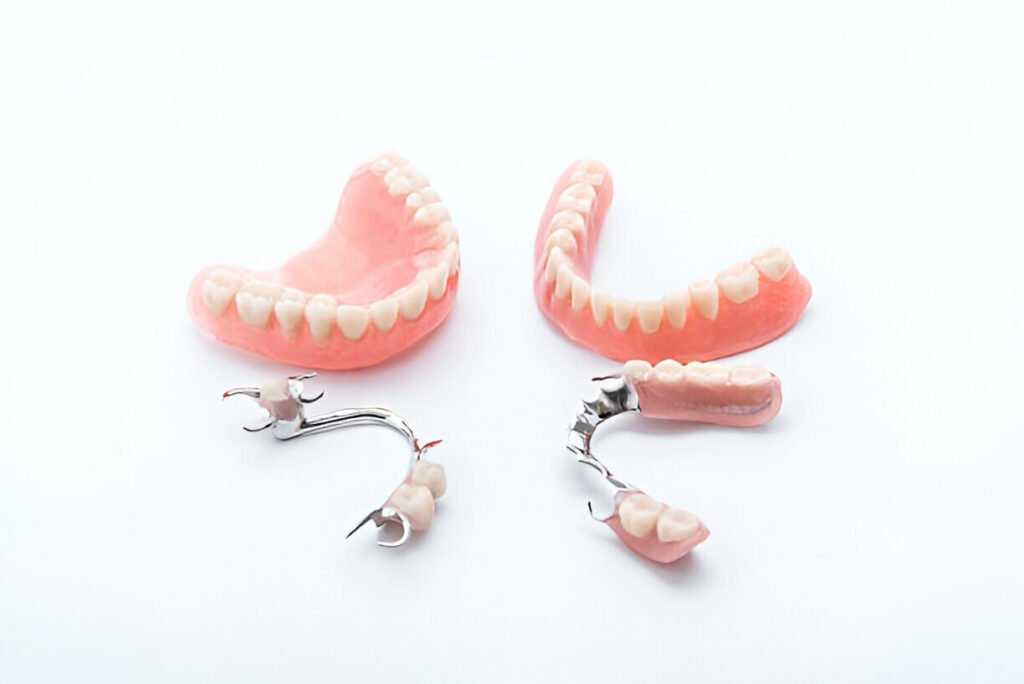
Types of Dentures Available on the NHS
- Partial Dentures
- Replace one or several missing teeth
- Fit around remaining natural teeth
- Help prevent teeth from shifting
- Complete Dentures
- Replace all teeth in the upper or lower jaw
- Restore full smile and chewing ability
- Upper and Lower Dentures
- Upper dentures cover the roof of the mouth
- Lower dentures are shaped to allow tongue movement
Who Is Eligible for NHS Dentures?
Most UK residents qualify for NHS dental treatment. Some groups may receive dentures free of charge.
Eligible groups may include:
- Children under 18
- Pregnant women or recent mothers
- People receiving specific government benefits
How to Get Dentures on the NHS (Step-by-Step)
- Consultation
- Book an appointment with an NHS dentist
- Dentist assesses oral health and denture suitability
- Dental Impressions
- Dentist takes moulds of the mouth
- Used to create customised dentures
- Trial Fittings
- Several fittings ensure correct shape and comfort
- Final Denture Placement
- Dentist provides final dentures
- Adjustments are made if needed
Advantages of NHS Dentures
- Affordable compared to private treatment
- Provided by qualified dental professionals
- Widely accessible across the UK
- Improves chewing and speech ability
- Helps maintain facial structure
How to Care for Your Dentures
Daily Denture Care
- Clean dentures twice daily
- Use a soft brush and mild soap
- Avoid regular toothpaste as it may scratch dentures
Denture Storage
- Keep dentures moist when not in use
- Soak in denture-cleaning solution
Dental Check-ups
- Attend regular dentist appointments
- Ensures dentures remain comfortable and effective
Eating With Dentures
- Start with soft foods
- Gradually introduce harder foods
- Cut food into smaller pieces
Get Comfortable, Natural-Looking Dentures at Old Town Dental Care
If you are considering dentures to restore your smile, chewing ability, and confidence, the experienced team at Old Town Dental Care is here to help. We provide personalised denture consultations, ensuring each patient receives comfortable and well-fitted dentures tailored to their oral health needs. Whether you require partial or full dentures, our dental professionals will guide you through every stage of treatment, from assessment to final fitting. Book a consultation today to discuss your options and take the next step towards improving your oral health and quality of life.
Frequently Asked Questions (People Also Ask)
Do I need a referral to get dentures on the NHS?
No. Patients can book directly with an NHS dentist for consultation and assessment.
Can I get dentures if I still have natural teeth?
Yes. Partial dentures are designed to replace missing teeth while keeping natural teeth in place.
How often should dentures be replaced?
Dentures typically need replacement every 5–10 years. This depends on wear and changes in mouth shape.
Are there side effects of wearing dentures?
Some patients experience mild irritation or increased saliva initially. These symptoms usually improve with adjustment.
Can regular toothpaste be used to clean dentures?
No. Toothpaste can be abrasive. A denture cleaner or mild soap with a soft brush is recommended.
Author
Reviewed by Dental Professionals specialising in restorative and NHS dental care.
Last Updated
Last updated: February 2026