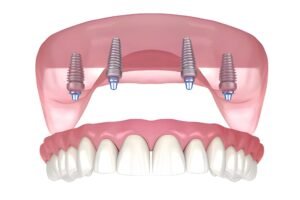
A tooth extraction on the NHS usually falls under Band 2 treatment. This means patients pay a fixed NHS fee that covers the examination, extraction, and follow-up care. Costs are standardised to keep treatment affordable.
Tooth extraction is sometimes necessary to protect oral health. Many patients worry about the cost of NHS dental treatment. The NHS uses fixed pricing bands to make care more affordable. Understanding these charges helps patients prepare for treatment and avoid unexpected costs.
What Is a Tooth Extraction?
Tooth extraction is the removal of a tooth from the jawbone. As part of Tooth Extraction Treatment in Aberdeen, dentists perform extractions when a tooth cannot be saved. This helps prevent further infection and protects overall oral health.
NHS Dental Charges for Tooth Extraction
The NHS uses treatment bands to determine dental costs:
- Band 1: Examination, diagnosis, X-rays, and advice
- Band 2: Includes fillings, root canals, and tooth extraction
- Band 3: Includes crowns, dentures, and bridges
Most tooth extractions fall under Band 2, which means patients pay one fixed NHS fee. This covers the full treatment and necessary care.
What Is Included in NHS Tooth Extraction Cost
NHS extraction cost usually includes:
- Dental examination
- Tooth removal procedure
- Local anaesthesia
- Follow-up advice
- Necessary aftercare guidance
There are no hidden charges within the same treatment band.
When Tooth Extraction May Cost More
Some extractions are more complex. These may require additional treatment.
Examples include:
- Surgical wisdom tooth removal
- Impacted teeth under the gum
- Complex oral surgery
These cases may fall under Band 3 NHS treatment.
Your dentist will explain costs before treatment begins.
Tooth Extraction Procedure (Step-by-Step)
- Examination and X-rays
The dentist checks the tooth and confirms extraction is needed. - Local anaesthesia
The area is numbed to prevent pain during the procedure. - Tooth removal
The dentist removes the tooth safely and carefully. - Aftercare guidance
You receive instructions to help healing and prevent infection.
Recovery After NHS Tooth Extraction
Recovery usually takes a few days to one week.
Patients should:
- Avoid hard foods
- Keep the area clean
- Follow dentist instructions
- Avoid smoking during healing
Proper care supports faster recovery.
Alternatives to Tooth Extraction
Dentists may suggest other treatments if possible:
- Fillings
- Root canal treatment
- Crowns
Saving the natural tooth is usually preferred when possible.
Book Your NHS Tooth Extraction Consultation
If you need a tooth extraction, professional assessment is important. At Old Town Dental Care, patients receive NHS dental care, treatment planning, and aftercare guidance.
Contact Old Town Dental Care to arrange your consultation and receive advice about NHS tooth extraction treatment.
FAQs (People Also Ask)
How much does a tooth extraction cost on the NHS?
Most extractions fall under NHS Band 2, which has a fixed standard fee.
Is tooth extraction free on the NHS?
It may be free for patients eligible for NHS exemptions, such as children or qualifying adults.
Is NHS tooth extraction painful?
Local anaesthesia is used. Patients usually feel pressure but not pain.
How long does NHS tooth extraction take?
The procedure usually takes 20 to 40 minutes, depending on complexity.
How long does healing take after extraction?
Initial healing takes about one week. Full healing may take several weeks
Author Details
Author: Dental Content Team
Reviewed by: Qualified NHS Dental Professional
Last Updated
17 February 2026