Composite bonding is usually not available on the NHS unless it is medically necessary. If approved, it is typically covered under NHS Band 2 treatment rather than charged per tooth. Cosmetic bonding is generally only available privately.
Composite bonding is a cosmetic dental treatment used to repair chips, close gaps, or improve tooth shape. Many patients ask if it is available on the NHS and how much it costs per tooth. The answer depends on clinical need. This guide explains NHS rules, pricing structure, and when treatment may be covered.
What Is Composite Bonding?
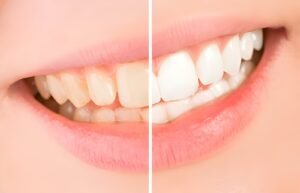
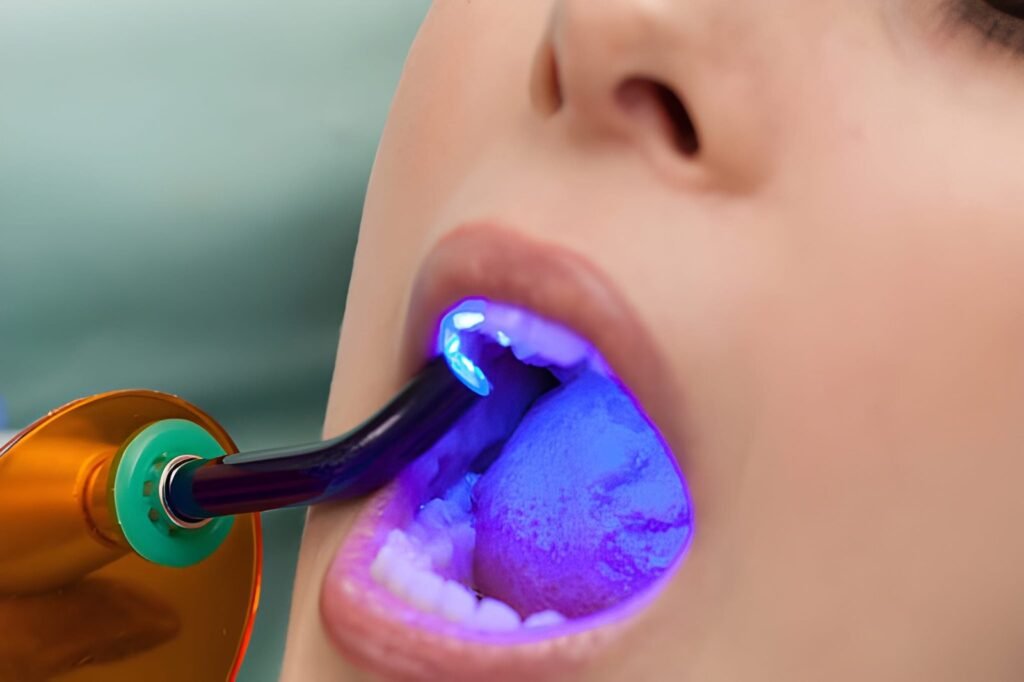
Composite bonding in Aberdeen is a tooth-coloured resin treatment used to restore, reshape, and improve the appearance of teeth in a natural-looking way.
It is used to:
- Repair chipped or broken teeth
- Close small gaps between teeth
- Improve tooth shape and symmetry
- Restore minor decay or surface damage
It is a simple, minimally invasive dental procedure that delivers quick aesthetic improvements with minimal tooth preparation.
Is Composite Bonding Available on the NHS?
Composite bonding is only available on the NHS if it is clinically necessary.
It may be approved when:
- A tooth is damaged or broken
- There is decay affecting the structure
- The tooth needs functional restoration
It is not available for cosmetic improvements like smile makeovers or aesthetic reshaping.
How Much Does It Cost on the NHS?
If composite bonding is approved under NHS care, it is included in Band 2 treatment.
- NHS Band 2 cost: around £75.30 (England)
- Covers fillings, extractions, root canal treatment, and similar procedures
- Not charged per tooth — it is a fixed treatment fee
So even if multiple teeth are treated, you usually pay one Band 2 charge.
NHS vs Private Composite Bonding
There is a clear difference between NHS and private treatment.
NHS:
- Only for medical necessity
- Limited aesthetic improvement
- Fixed Band 2 charge
Private:
- Cosmetic-focused treatment
- Charged per tooth
- More control over shape, colour, and finish
Step-by-Step: When the NHS May Offer Bonding
- A dentist examines tooth damage or decay
- Clinical need is assessed
- NHS treatment eligibility is determined
- Band 2 treatment is approved if necessary
- Bonding or alternative restoration is carried out
Book Your Consultation
If you’re looking to improve your smile with composite bonding, contact Old Town Dental Care today to book your consultation and explore the best treatment options for your needs.
FAQs
1. Is composite bonding free on the NHS?
No, it is not free. If eligible, it falls under NHS Band 2 charges.
2. Is composite bonding charged per tooth on the NHS?
No. NHS charges are per treatment band, not per tooth.
3. Can I get bonding for cosmetic reasons on the NHS?
No. Cosmetic bonding is not covered by NHS funding.
4. What is the cheapest way to get composite bonding?
The NHS is cheaper if medically approved, but private treatment is needed for cosmetic results.
5. What is the main NHS alternative to bonding?
Fillings or other restorative treatments may be used depending on the condition.
Author
Dental Content Specialist
Reviewed by General Dental Advisor
Last Updated: May 2026