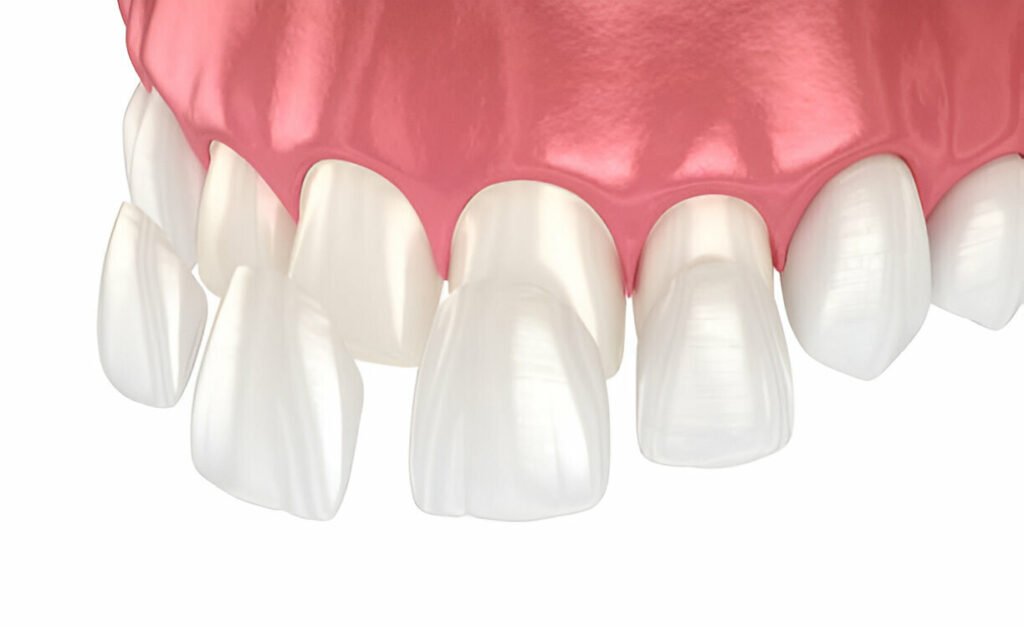
Composite bonding is a cosmetic dental treatment used to repair small chips, gaps, or discolouration using tooth-coloured resin. The NHS usually does not provide composite bonding for cosmetic reasons. However, it may be offered if the treatment is needed to restore oral health or repair damaged teeth.
Many people ask if they can receive composite bonding through the NHS. Composite bonding is a popular dental treatment used to improve the look of teeth. However, NHS dental services mainly focus on essential oral health care. Understanding when bonding may be available helps patients make the right treatment decision.
What Is Composite Bonding?
Composite Bonding in Aberdeen is a dental procedure where a dentist applies tooth-coloured resin to the surface of a tooth. The material is carefully shaped and polished to match the surrounding natural teeth. This treatment improves the appearance of teeth while preserving most of the natural tooth structure.
What Problems Can Composite Bonding Fix?
Composite bonding is used to correct small cosmetic dental issues.
It can help with:
- Small gaps between teeth
- Chipped or cracked teeth
- Tooth discolouration
- Uneven or misshapen teeth
- Minor enamel wear
Because the treatment is minimally invasive, it usually requires little or no drilling.
When Is Composite Bonding Available on the NHS?
Step-by-Step: How NHS Eligibility Works
- Book a dental examination with your dentist.
- The dentist checks if the problem affects oral health or tooth function.
- If bonding is needed to repair damage or restore a tooth, it may be provided through NHS treatment.
If the treatment is purely cosmetic, it is usually only available privately.
Why Composite Bonding Is Usually Not Covered by the NHS
The NHS focuses on treatments that maintain oral health rather than cosmetic appearance.
NHS dental care is organised into three bands:
- Band 1: Check-ups, diagnosis, advice, and X-rays
- Band 2: Fillings, extractions, and root canal treatment
- Band 3: Crowns, bridges, and dentures
Cosmetic treatments, including bonding for aesthetic improvement, are usually outside NHS coverage.
Alternatives Available Through the NHS
If cosmetic bonding is not available, the NHS may still offer treatments that restore dental health.
These may include:
- White fillings for front teeth
- Dental crowns for damaged teeth
- Scaling and polishing to remove plaque and stains
- Preventive dental care and hygiene treatments
These treatments aim to maintain healthy teeth and gums.
Speak With Old Town Dental Care About Composite Bonding
If you are considering composite bonding and want professional advice about your options, Old Town Dental Care can help. The dental team can assess your teeth, explain whether treatment is suitable, and guide you through both NHS and private dental options.
Booking a consultation allows a dentist to evaluate your oral health, discuss possible treatments, and help you decide the most appropriate way to improve your smile safely and effectively.
FAQs
Can you get composite bonding on the NHS?
Composite bonding is rarely available on the NHS. It may only be provided when it is needed to repair damaged teeth or restore oral health.
Is composite bonding considered cosmetic dentistry?
Yes. Composite bonding is usually classed as cosmetic dentistry because it improves the appearance of teeth.
How long does composite bonding last?
Composite bonding typically lasts between 5 and 10 years. The lifespan depends on oral hygiene, diet, and habits such as teeth grinding.
Is composite bonding painful?
Composite bonding is usually painless. The procedure is minimally invasive and often does not require anaesthesia.
What happens if composite bonding breaks?
If bonding chips or breaks, a dentist can usually repair or replace the material during a routine dental visit.
Author
Author: Dental Content Team
Reviewed by: Qualified Dental Professionals
Last Updated
Last updated: 4 March 2026