Yes — you should brush your teeth after a composite filling. The filling sets immediately under the dentist’s curing light, so brushing is safe the same day. What matters most is how you brush, not when.
Composite fillings are one of the most common restorative dental treatments. They bond directly to the tooth, match its natural colour, and restore both function and appearance in a single visit. With the right aftercare routine, your filling can last 5–10 years or longer.
What Is a Composite Filling?
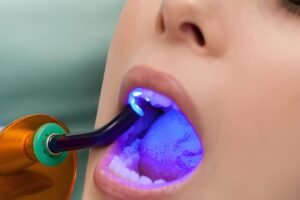
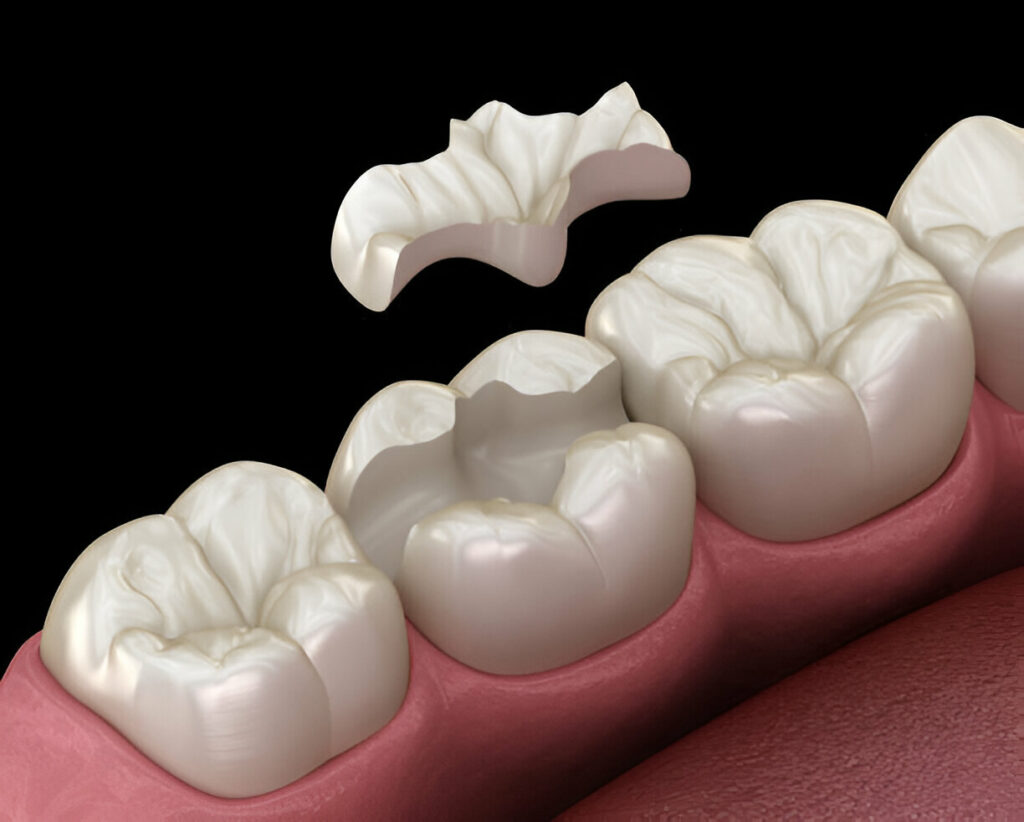
A Composite Filling in Aberdeen is a tooth-coloured resin used to repair decayed or damaged teeth. The material is shaped to match your natural tooth structure, then hardened instantly with a UV curing light. Unlike older amalgam fillings, composite bonds directly to the tooth surface, which means less drilling and a stronger, more natural-looking result.
When Can You Brush? A Timeline
Immediately After Your Appointment
You can brush your teeth as soon as you get home — the filling is fully hardened. However, your mouth may still be numb from the local anaesthetic. Wait until the numbness has completely worn off before eating, to avoid accidentally biting your cheek or tongue.
When you do brush, use very gentle pressure around the filled tooth. Light circular strokes are enough.
24 Hours After
Sensitivity is common in the first 24 hours, especially to hot and cold. Continue brushing twice daily with a soft-bristled brush and fluoride toothpaste. Avoid pressing hard on the treated tooth — gentle is enough to keep it clean.
Floss carefully around the filling. If floss shreds or catches, mention it at your next check-up; it may indicate a rough edge that needs smoothing.
1 Week After
Most sensitivity should have settled by now. You can return to your normal brushing routine, including electric toothbrushes, with light-to-moderate pressure. If sensitivity or discomfort is still present after one week, contact your dentist — this is worth having checked.
What Toothbrush and Toothpaste Should You Use?
Toothbrush
Always use a soft-bristled toothbrush. Hard or medium bristles can scratch the surface of a composite filling over time, dulling its finish and weakening its bond to the tooth.
Recommended soft-bristle brushes:
- Oral-B Pro 500 / Oral-B Sensitive — widely available, well-suited to sensitive teeth post-filling
- Colgate 360 Sensitive Pro-Relief — soft bristles with a small head for precise brushing around fillings
- Sensodyne Sensitive Toothbrush — designed for sensitive areas; extra-soft variant available
If you prefer an electric toothbrush, the Oral-B iO Series 3 and Philips Sonicare ProtectiveClean 4100 both have soft replacement heads and pressure sensors to prevent over-scrubbing.
Toothpaste
Use a non-abrasive fluoride toothpaste. Highly abrasive whitening pastes can scratch composite resin and cause staining over time.
Recommended non-abrasive pastes:
- Sensodyne Pronamel — low abrasivity (RDA ~35), ideal for new fillings and sensitive teeth
- Colgate Total — balanced formulation with fluoride; suitable for daily use around composite restorations
- Arm & Hammer Sensitive — baking soda formula with low abrasion
- Oral-B Gum & Enamel Repair — designed specifically for enamel protection; gentle on restorations
Avoid pastes labelled “whitening,” “charcoal,” or “extra whitening” for at least the first few weeks — these typically have higher abrasive scores (RDA 100+) and can dull the surface of your filling.
What to Avoid — and for How Long
Hard and Sticky Foods
| What to Avoid | Why | How Long |
|---|---|---|
| Nuts, hard sweets, ice | Can crack or dislodge the filling | First 1–2 weeks |
| Toffee, chewing gum, sticky sweets | Can pull at the filling before it fully settles into your bite | First 1–2 weeks |
| Hard crusty bread, raw carrots | Excessive biting force on the treated tooth | First 1 week |
After 2 weeks, most patients can return to eating normally. If your bite feels off or the tooth is uncomfortable when chewing, see your dentist to have the bite adjusted.
Staining Drinks and Foods
Composite resin is more porous than natural enamel and can absorb colour from strongly pigmented food and drink.
| What to Avoid | Why | How Long |
|---|---|---|
| Coffee and tea | Tannins stain composite resin | Limit for 2–4 weeks; use a straw if possible |
| Red wine | Highly pigmented; stains quickly | Avoid for 2–4 weeks |
| Curry, tomato-based sauces, berries | Intense pigmentation | Reduce for the first 2 weeks |
| Fizzy drinks | Acidic; can weaken the bond at the edges | Limit long-term |
If avoiding these drinks is not practical, rinse your mouth with water immediately after consuming them and wait 30 minutes before brushing.
Smoking
Smoking significantly increases staining of composite fillings and slows healing of the surrounding gum tissue. Avoid smoking for at least 72 hours after your appointment — ideally longer. Patients who smoke regularly will notice their fillings discolour faster than non-smokers, regardless of brushing habits.
Step-by-Step Aftercare Routine
- Wait for numbness to pass before eating or drinking anything hot.
- Brush gently twice daily using a soft-bristled brush and non-abrasive fluoride toothpaste.
- Floss once daily — work the floss carefully around the filled tooth; don’t snap it down forcefully.
- Rinse with water after staining drinks, especially in the first few weeks.
- Avoid hard, sticky, and staining foods for the first 1–2 weeks.
- Don’t smoke for at least 72 hours after treatment.
Is Sensitivity Normal After a Composite Filling?
Yes — mild sensitivity to hot, cold, or pressure is very common in the first few days. This is a normal response as the tooth settles around the new material.
Sensitivity should decrease noticeably within 3–5 days. If it hasn’t improved after one week, or if you experience sharp pain when biting, contact your dentist. A simple bite adjustment is often all that’s needed.
Are Private Fillings Better Than NHS
Book an Appointment at Old Town Dental Care
If you’ve recently had a composite filling or are experiencing ongoing sensitivity, the team at Old Town Dental Care is here to help. We provide both NHS and private dental treatments, including routine check-ups, fillings, and preventive care. Regular reviews ensure your filling stays secure and your surrounding teeth remain healthy.
Contact Old Town Dental Care today to arrange an appointment and receive personalised guidance on protecting your smile.
Frequently Asked Questions
Can I brush my teeth straight after a composite filling?
Yes. The filling hardens immediately under a curing light, so brushing is safe the same day. Use a soft-bristled brush and gentle pressure.
How long does a composite filling take to set?
It sets fully during your appointment — the dentist uses a curing light that hardens the material in seconds.
Is it normal to feel pain after a composite filling?
Mild sensitivity for a few days is normal. Persistent or sharp pain beyond one week should be reviewed by your dentist.
Can I use an electric toothbrush after a filling?
Yes, after 24 hours. Use a soft replacement head and activate any pressure sensor feature to avoid pressing too hard.
What toothpaste is best after a composite filling?
A non-abrasive fluoride toothpaste such as Sensodyne Pronamel or Colgate Total. Avoid whitening or charcoal pastes for at least the first few weeks.
How long do composite fillings last?
With good care, composite fillings typically last 5–10 years or longer.
Last Updated
Last updated: 26 February 2026