This is completely normal — and almost always temporary. Here’s exactly why it happens.
If you’ve just finished a whitening treatment and your teeth look darker or duller than you expected, take a breath. You haven’t done anything wrong, and your whitening hasn’t failed. What you’re seeing is one of the most common and well-understood side effects of the process — and it resolves on its own within 48 hours in the vast majority of cases.
Understanding Teeth Whitening
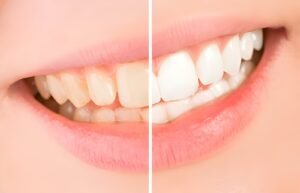
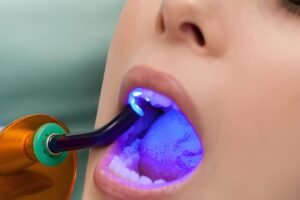
First off, let’s have a quick gander at how Best Teeth Whitening Treatment works. Teeth whitening is a bit like a magic trick for your mouth. It uses ingredients like carbamide or hydrogen peroxide to spruce up your teeth. These chemicals dive deep into your enamel. They break down stains from your tea-sipping and coffee-guzzling habits.
The Clinical Explanation: Why Teeth Look Darker Immediately After Whitening
The most common reason your teeth appear darker or duller right after whitening is dehydration of the enamel.
During the whitening process, the peroxide solution draws moisture out of your teeth. Enamel is partially translucent, and when it loses hydration, it temporarily becomes more opaque and less reflective — making teeth look whiter in some cases, but dull or even darker in others, depending on your underlying tooth shade.
The good news: this is entirely reversible. Your enamel naturally reabsorbs moisture from your saliva, and within 24 to 48 hours, your teeth will rehydrate and return to — or lighter than — their pre-treatment appearance.
Other contributing factors include:
- Patchy bleaching — Peroxide tends to work faster on the outer edges of teeth, leaving inner areas temporarily looking uneven or darker by contrast.
- Stain rebound — If you consume staining foods or drinks (coffee, tea, red wine) immediately after whitening, your open, freshly treated enamel is especially vulnerable to rapid re-staining.
What to Do If Your Teeth Look Darker After Whitening — Step by Step
Step 1: Don’t panic, and don’t re-treat immediately. Rushing into a second whitening session too soon can over-sensitise your enamel and worsen the problem. Give your teeth time to recover.
Step 2: Stay hydrated. Drink plenty of water. It helps your enamel rehydrate faster and flushes away anything sitting on the tooth surface.
Step 3: Follow the “white diet” for 48 hours. Avoid deeply pigmented foods and drinks — coffee, tea, red wine, tomato sauce, dark berries, soy sauce. If you can’t skip your morning coffee, use a straw to minimise contact with your teeth.
Step 4: Avoid acidic foods. Citrus, fizzy drinks, and vinegar-based foods can further strip moisture from already-dehydrated enamel. Give them a miss for a day or two.
Step 5: Wait at least 30 minutes before eating anything at all. Your enamel needs a short window to begin rehydrating before it faces food contact.
Step 6: Keep up gentle oral hygiene. Brush with a soft-bristle toothbrush and a sensitivity toothpaste. Avoid abrasive whitening toothpastes in the first 48 hours.
When to Call Your Dentist
Most post-whitening darkness resolves itself naturally. However, contact your dentist if:
- Your teeth still look significantly darker after 48–72 hours — this may indicate an underlying issue that whitening cannot address, such as intrinsic staining from medication or dental trauma.
- You’re experiencing severe or prolonged sensitivity — some sensitivity is normal, but sharp, lingering pain warrants professional assessment.
- The colour appears uneven beyond a few days — very patchy or striped discolouration that doesn’t settle may need professional review and possible touch-up treatment.
- You notice grey or bluish tones — this can occasionally signal enamel thinning or a reaction that needs a dentist’s eye.
A quick follow-up appointment is always worth it if something doesn’t feel right. Your dentist can assess whether the whitening has worked as expected and recommend the safest next step.
The Bottom Line
Temporary darkening after whitening is a normal, well-documented response to enamel dehydration — not a sign that the treatment has gone wrong. In nearly all cases, your teeth will lighten back within 48 hours as moisture returns to the enamel.
With a little patience, a careful diet for a couple of days, and proper hydration, your results will show through. And if anything concerns you beyond that window, your dentist is always the right call.
Ready for a Brighter Smile with Old Town Dental Care?
If you’ve noticed your teeth looking darker after whitening and are seeking professional advice, Old Town Dental Care is here to illuminate your path to a dazzling smile. Our team of dental professionals is equipped with the knowledge and tools to address your concerns and enhance your smile safely and effectively. Don’t let uneven tooth colour dull your confidence; contact Old Town Dental Care today to schedule your consultation and take the first step towards a radiant, healthy smile that shines as brightly as you do.
Frequently Asked Questions
Can teeth become permanently discoloured from whitening?
Most discolouration following whitening is temporary. However, overuse of whitening products can lead to permanent enamel damage, so it’s crucial to follow product guidelines and consult with a dentist for safe practices.
Why do my teeth look uneven in colour after whitening?
Uneven colour post-whitening can result from the bleach reacting differently across your teeth due to variations in enamel thickness and mineral content. This usually evens out with time and proper oral hygiene.
How long should I wait to eat after teeth whitening?
It’s recommended to wait at least 30 minutes before eating after whitening to allow your enamel to rehydrate and to avoid staining. For the first 48 hours, avoid highly pigmented foods and drinks to prevent discoloration.
Are there any foods that can reverse teeth whitening?
Foods and drinks with strong pigments, such as coffee, tea, red wine, and some fruits like berries, can reverse the effects of teeth whitening by staining your teeth. Consuming these in moderation and practicing good oral hygiene can help maintain whitening results.
How often can I safely whiten my teeth?
The safe frequency of teeth whitening varies by individual and method used. Generally, professional whitening can be done once a year, while at-home kits might be used more frequently. Always consult with a dentist to determine what’s best for your dental health.